I come out and look at it with you
I look at every job in person and go over the roof line, the top of the chimney and the joints with you. You get an estimate that matches what I actually found, and if the chimney can wait, I'll say so.
Water stain by the chimney or crumbling joints up top? We check the flashing first, then tell you plainly what needs fixing.
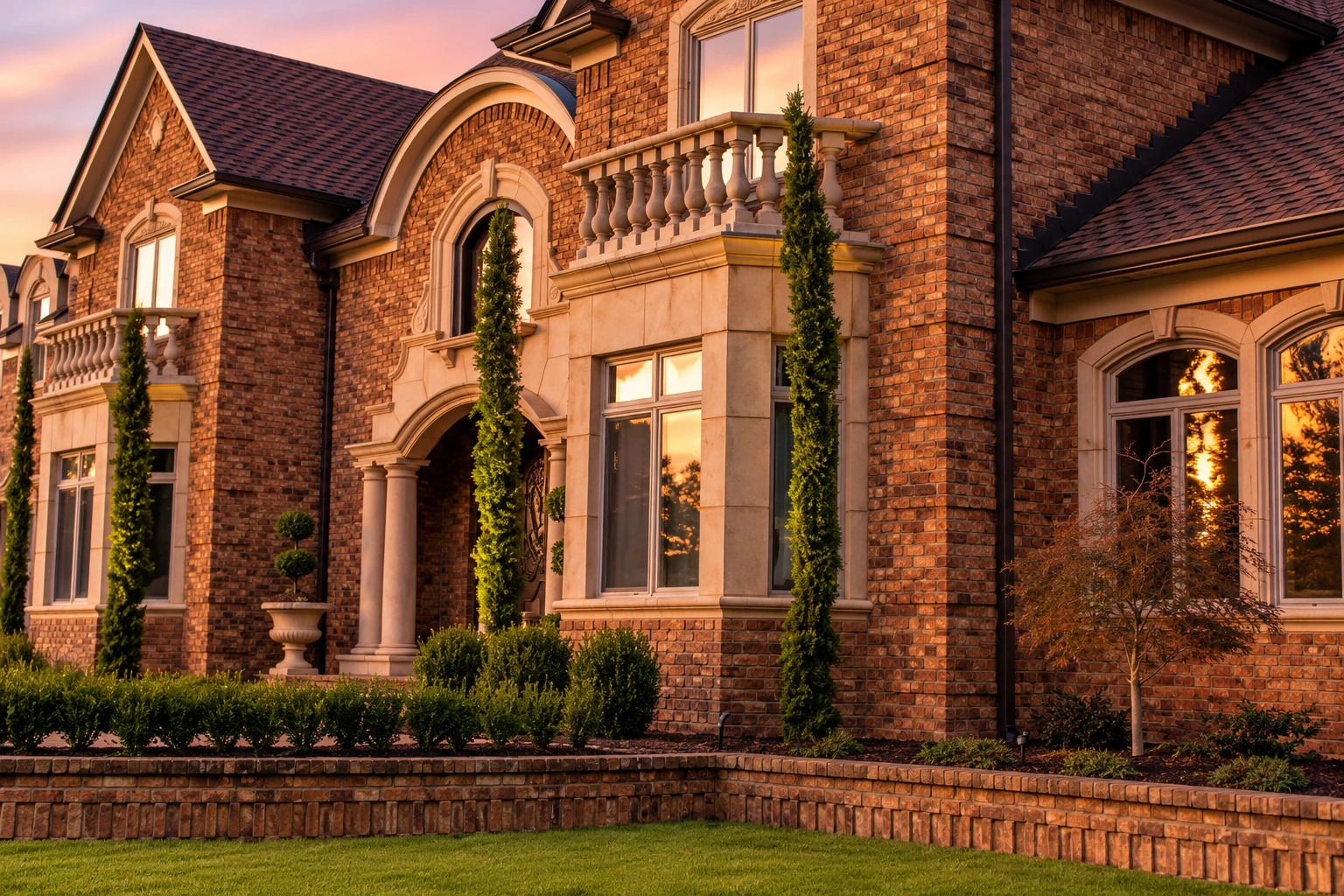
Chimney repair in Yakima usually means fixing the flashing where your roof meets the chimney, which is what keeps water out of the house, or repointing worn mortar joints and patching isolated cracks in the brick.
A water stain on the ceiling beside the chimney, a damp spot in the attic or mortar sanding out of the joints up top all point to the same thing. Water is getting in somewhere. Sometimes it's the roof line, sometimes it's the joints, often it's both, and sometimes the chimney can wait a while. I'd rather tell you that than sell you a job you don't need.
The price turns on how much the chimney needs, whether that's flashing alone, a few joints or the whole stack, and on how tall it is and how hard your roof is to work on. The schedule depends mostly on the size of the job and whether the city or county wants a permit first, and your estimate puts your own figure on it. We work out of Yakima and take jobs in the cities around it, so if you don't see yours listed, call and ask.
You call or send a message, and from there it's me, then our crew, then me again at the end. Here's how that goes.
I look at every job in person and go over the roof line, the top of the chimney and the joints with you. You get an estimate that matches what I actually found, and if the chimney can wait, I'll say so.
I spent years laying brick and block for a big commercial outfit before I started this business in Yakima in 2023. Somebody was always checking that work, so I still do it the right way on a chimney nobody's going to inspect.
We're fully licensed and insured. If you go ahead, we check what the local office needs, our crew does the work while I stay on it, and I walk the finished chimney with you.
Most chimney calls are really about water, so I check the flashing at the roof line and the top of the chimney before anyone touches the mortar. New joints won't stop a leak that's coming in around the flashing, and I don't want you paying for the wrong fix. Then I tell you plainly whether you need flashing work, new joints or both. If it's joints, our crew clears out the worn mortar, packs in new and patches any isolated cracks, so the brick itself stays in one piece.
If the mortar is worn on more than the chimney, tuckpointing brings back the joints across a wall or the whole house. Cracked or broken brick in the stack calls for brick repair, and we can usually handle it while we're already up there.
The order matters on a chimney, because fixing the joints before the water path just means doing them twice.
We set up so we can work safely at the chimney and cover the roof and plantings below. Old mortar and dust come down during the job, and they shouldn't end up in your gutters or flower beds.
When flashing is part of the job, it goes first. There's no point in new joints if water keeps soaking into the brick from behind.
We clear the worn mortar down to sound material, working carefully so the brick edges stay whole. Then we pack new mortar in and tool it so the joints shed water.
We brush down the brick, clear the roof and haul off the debris. I go over every joint and the flashing myself before we call it finished.
Tell us what you're seeing, like a leak, worn joints up top or a past inspection report, and we'll get back to you within one business day. I'll come out, look at the chimney with you and give you a free estimate. There's no pressure and no obligation.
(509) 452-1015Most chimney leaks start at the flashing, the metal that seals the joint where your roof meets the chimney. One building guide says that joint has to be properly flashed with both base and counter flashing, because that's what keeps water out of the house. The other spot people miss is the crown, the cap on top of the chimney, where flashing and sealant keep water out of the gap between the brick and the flue liner.
At least once a year, according to one publisher's summary of the national chimney safety standard. A deeper Level 2 inspection takes in the attic, the basement and the inside of the flue, and it applies when a house is sold or after damage, while a Level 3 inspection opens up hidden areas when a serious hazard is suspected. If a report flagged worn mortar or flashing, send it along when you get in touch.
No, repointing worn joints and patching isolated cracks count as cosmetic repairs and regular chimney maintenance that keep the chimney in shape. That shape matters if you're planning to reline the flue, because one liner maker advises having a certified chimney sweep clean and inspect the chimney first to make sure the mortar and masonry are sound enough for the new liner.
Look the contractor up in the Verify a Contractor, Tradesperson, or Business tool from Washington L&I. The state requires every construction contractor, including those who repair buildings, to register with L&I and to be bonded and insured. Contractors also have to put their registration number on ads, estimates and bids, so look for it on any estimate you get.
City of Yakima Codes issues some permits online without plan review, and its list names woodstoves and other wood-burning devices but not chimney repair. Permits that aren't on that list go to the Codes office in person or by mail, with two sets of plans. Before we start, we check with the city or county office that covers your address, and if your job needs a permit, we take care of the paperwork with you.
If you heat with wood, the Yakima Regional Clean Air Agency decides when you can burn. During a Stage 1 ban, only EPA certified wood and pellet stoves and inserts may be used, and a Stage 2 ban stops all solid fuel burning. If wood is your only source of heat, you can apply to the agency for an exemption, and it asks you to do that before the heating season starts.
Call (509) 452-1015 or use our contact form, and if you have an old inspection report, keep it handy so I can see what's already been flagged.
If you're not sure your chimney needs anything yet, send us a note and I'll tell you straight.
Tell us about your project