I come out and look at the wall with you
I look at every job myself, so the person giving you the estimate knows the work. I'll show you which joints are failing and why, tell you what I'd do, and say so plainly if it can wait.
Crumbling or washed-out mortar between your bricks? We fix what's causing it and repoint the joints so the wall sheds water and dries out.
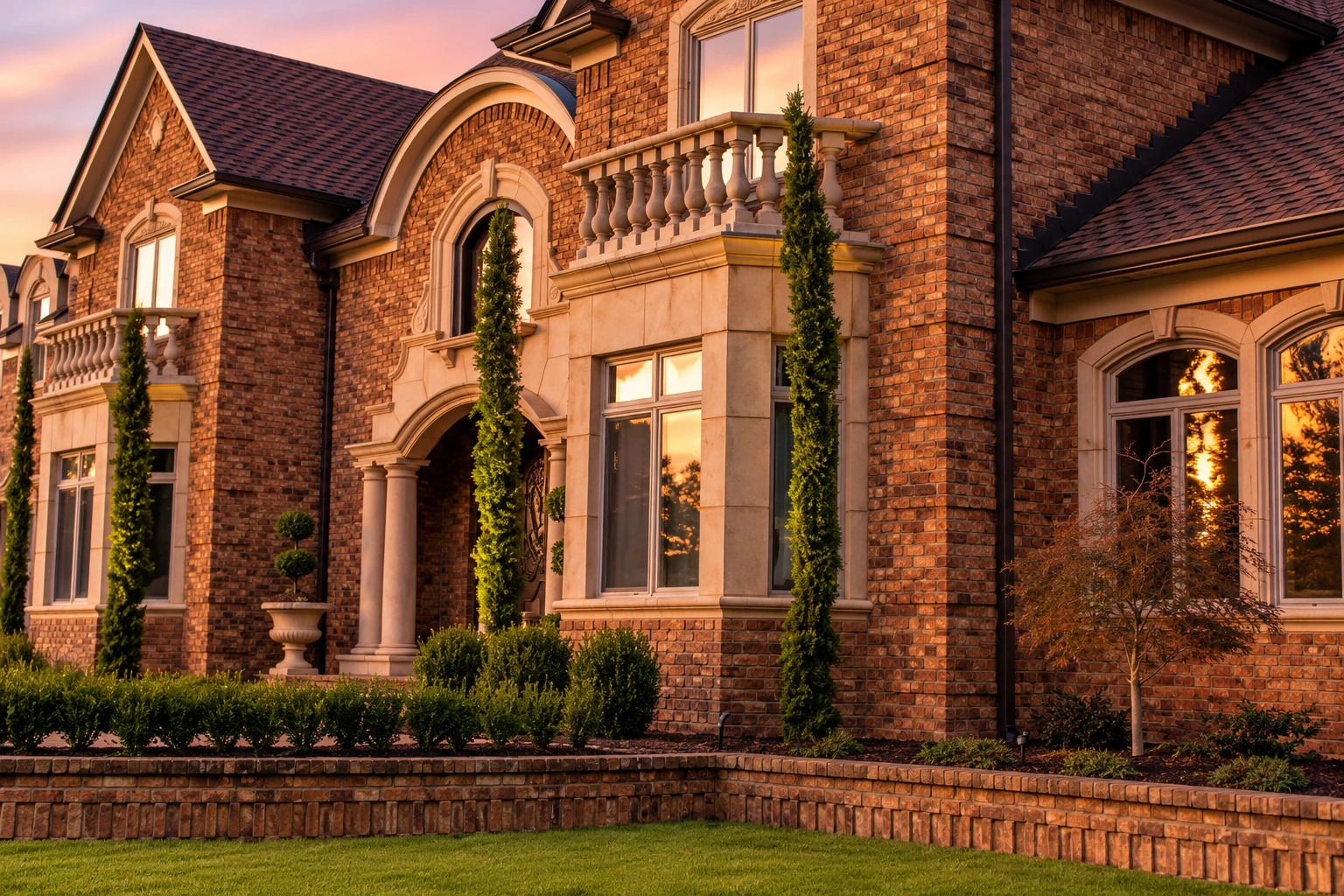
Masonry restoration in Yakima, WA usually means repointing. We cut the worn mortar out of the joints in your brick or stone and pack in new mortar so the wall is solid again.
Most people call when they notice sandy, crumbling mortar, joints sitting back from the brick face, or gaps they can poke a key into. That's almost always water hitting the same spot year after year. I'd rather tell you a wall can wait a few years than sell you a job you don't need, so the first thing I do is look at how far it's gone.
The price mostly depends on how much of the wall needs new joints and how tall it is, because anything that needs scaffolding costs more per square foot to work on. Cracked or loose bricks that have to come out add to it. The schedule mostly depends on getting the water problem fixed first and how much wall we're doing. When I come out, I'll tell you what I see and what I'd do, and the estimate gives you the figure for your wall.
I started this business in Yakima in 2023, after years laying brick and block for a big commercial outfit. We're fully licensed and insured. Here's how it goes once you get in touch.
I look at every job myself, so the person giving you the estimate knows the work. I'll show you which joints are failing and why, tell you what I'd do, and say so plainly if it can wait.
Before we start, we check with the city or county office that covers your address, because some houses have rules about exterior work. If there's anything to take care of, we work through it with you before the crew shows up.
Our crew does the repointing, and I stay involved the whole way, checking the joints as they go. When it's done, I walk the finished wall with you so you can look over every section.
First I look for what's washing the mortar out. If it's a leaking downspout or bad drainage, I'll point it out so it gets fixed before we repoint, because new joints under the same water just wash out again. Then we take the old mortar out without chipping the brick edges, since power tools can damage the brick around the joint. We pack in a mortar that lets moisture leave the wall instead of trapping it, because when water can't get out through the joints it works through the brick and breaks it down. We finish the joints to match the rest of the house. We don't sandblast to clean up, because preservation guidance for older buildings cautions against it.
A repointing job sometimes turns into a bigger project. If you're redoing a room around an old fireplace, we also handle fireplace installation. If you'd rather put a new face on a plain block or concrete wall than restore it, we do stone veneer installation too. I'll tell you which makes sense, or if neither does.
Every wall is a little different, but the work runs in this order.
We go over the wall and mark the joints that are soft, cracked or sitting back from the face. That way we only cut out what's failing and leave good mortar alone.
We take the mortar out to an even depth and clear the dust from the joint, because new mortar won't bond to loose grit.
We dampen the joint and press the mortar in, filling deep spots in layers so it doesn't slump or leave hollow pockets behind the face.
Once the mortar firms up, we tool each joint to match the profile on the rest of the house and brush off the extra. Then we clean up and haul away what we brought.
Send us the wall's rough size and height, a few photos of the joints, any downspout leaks you've noticed and whether the building is a designated historic property, or call (509) 452-1015. We respond within 1 business day. Estimates are free and done at your property, with no pressure and no obligation, and after you reach out I come out, look at the wall with you and tell you what I'd do.
(509) 452-1015Repointing brick across the US usually costs about $3 to $25 per square foot. That's a national range for the repointing itself, and a short run of joints at the base of a wall lands in a very different place than a full two-story face. Your own figure comes from the estimate once I've seen the wall.
One cost guide puts it at every 25 to 30 years for brick and stone mortar, so good repointing is a long-term repair and the next round is decades out. The City of Yakima rates weathering here as severe, so joints that take steady water, under a leaky gutter or at the top of a chimney, usually wear out before the rest of the wall. Our work is satisfaction guaranteed.
Hire a crew with real repointing experience that's registered with the state. Brick industry guidance says tuck-pointing should be done only by a qualified, experienced tuck-pointer, because an excellent bricklayer may not be a good one, so ask about repointing work specifically. Washington requires every construction contractor to register with the Department of Labor & Industries, and you can look up a company there before you hire.
Yes, if your building is a designated historic property, the city reviews and approves changes to its exterior, and you apply for a Certificate of Appropriateness to make them. Ask the city's Planning Division at (509) 575-6183 or ask.planning@yakimawa.gov whether your repointing needs one. Tell me when you call, and we'll plan the job around it.
We work out of Yakima and take repointing jobs in the cities around it, including Selah, Terrace Heights, Union Gap, Toppenish, Sunnyside, Grandview and Ellensburg. If you don't see your city listed, call and ask.
Around here we see a lot of older brick houses with worn joints along the bottom courses where the sprinklers hit, porches and garden walls with soft mortar at the caps, and block walls washed out where the yard drains toward them. The fix is the same wherever we find it. Stop the water, then repoint.
Call (509) 452-1015 or use our contact form, because a few loose joints caught early are a smaller job than brick that's had water behind it for years.
If you've got a question about your mortar joints, call or send us a message and I'll give you a straight answer.
Tell us about your project